
Community
FOUND: Silver Alert issued for 88-year-old Minot man
By Tommy Anderson
Advertisement · Why this ad?
Amina El-Amin is a recent graduate from the University of North Dakota with a degree in Sociology and Media Studies. With two years of experience in community journalism, she focuses on underrepresented voices in local issues.
More from Amina →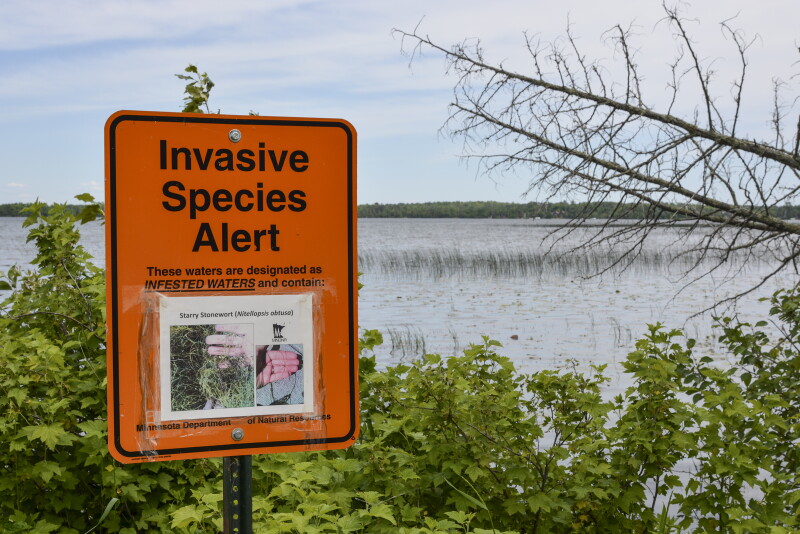
On a crisp autumn morning in Grand Forks, families gathered by the lake’s edge, children’s laughter mingling with the gentle ripple of water. Among them was Sarah Jensen, a local mother of three, who paused to watch her kids paddle around in the boat. Little did she know, a quiet battle against invasive aquatic plants was unfolding just miles away, threatening the natural beauty she cherishes and the community’s outdoor traditions.
Today, the Minnesota Department of Natural Resources (DNR) announced a significant step forward in protecting lakes across the state, including those near Grand Forks. The DNR’s Invasive Species Program is now accepting applications for grants aimed at managing four particularly troublesome aquatic invasive plants: curly-leaf pondweed, Eurasian watermilfoil, flowering rush, and starry stonewort. These plants, though non-native, have taken root in Minnesota’s lakes, threatening native ecosystems and recreational enjoyment alike.
The grants, totaling up to $1,060,000, are designed to assist local entities—tribal governments, lake associations, watershed districts, cities, and counties—in their efforts to control these invasive species. Funding can be used to reimburse expenses related to invasive aquatic plant management permits, making it easier for communities to undertake targeted removal and control projects. Notably, projects focused on starry stonewort at public access points will be given higher priority, reflecting its particularly aggressive spread and impact.
Invasive aquatic plants are a growing concern across Minnesota, a state renowned for its thousands of lakes and waterways. According to the Minnesota DNR, invasive species have been steadily increasing over the past few decades, often arriving via international shipping, aquaculture, or recreational boating. Once established, these plants can outcompete native species, disrupt fish populations, and alter the delicate balance of aquatic ecosystems.
For communities like Grand Forks, which lies just across the border from Minnesota in North Dakota, the health of neighboring lakes is interconnected. Many residents frequent lakes such as Lake of the Woods, Red Lake, and the smaller local lakes that dot the region. These lakes are not only vital for recreation but also serve as critical habitats for fish, waterfowl, and other wildlife. The presence of invasive plants can diminish water quality, reduce fish spawning grounds, and complicate recreational activities like boating, swimming, and fishing.
Historically, efforts to combat invasive aquatic plants have faced challenges due to limited funding, lack of public awareness, and the difficulty of early detection. The new grant program aims to address these issues by empowering local organizations and governments with resources and technical support to implement effective management strategies.
For residents of Grand Forks and surrounding areas, the health of local lakes is more than just a matter of environmental concern—it’s a cornerstone of community life. These waters are where families fish, boat, and create memories that last a lifetime. When invasive plants take hold, they threaten the very fabric of these outdoor traditions, choking out native plants, disrupting fish habitats, and creating nuisances that hinder recreation.
“Invasive aquatic plants are a silent threat,” explains Dr. Emily Carter, a local ecologist and member of the North Dakota Invasive Species Council. “They can reduce biodiversity, clog boat motors, and make swimming less enjoyable. That’s why proactive management, supported by grants like these, is vital for preserving our lakes’ natural beauty and the community’s way of life.”
The announcement has been met with cautious optimism from local lake associations and environmental groups. Many see it as a crucial step toward safeguarding their cherished lakes, but also recognize the ongoing challenge of invasive species management. “Funding is always a hurdle,” says Lisa Monroe, president of the Grand Forks Lake Preservation Society. “This grant program gives us a fighting chance to keep invasive plants at bay, but it requires community effort and vigilance.”
Local residents are eager to participate in educational programs and volunteer efforts to monitor their lakes. “We’ve seen how quickly these plants can spread,” Monroe adds. “If we work together and take advantage of these grants, we can protect our lakes for future generations.”
The application deadline for the grants is set for 4:30 p.m. on Wednesday, December 9. Local entities interested in applying can find detailed information and application forms on the Minnesota DNR Aquatic Invasive Species Grants. The process encourages collaboration among community groups, government agencies, and environmental experts to develop effective management strategies.
Looking ahead, the success of this program will depend on active participation from local residents and organizations. Education about invasive species identification and prevention will be crucial, along with early detection and rapid response efforts. As Sarah Jensen and her neighbors continue to enjoy their lakeside weekends, they can feel reassured knowing that their community is taking meaningful steps to preserve the natural beauty that defines Grand Forks’ outdoor life.
Furthermore, local schools and youth organizations are increasingly involved in invasive species awareness campaigns, recognizing that engaging the next generation is key to long-term success. Educational workshops, volunteer lake cleanups, and citizen science projects are becoming more common, fostering a culture of stewardship and environmental responsibility.
Community leaders, including city officials and environmental advocates, are emphasizing the importance of ongoing collaboration. Mayor Linda Thompson of Grand Forks has publicly supported the initiative, noting that protecting lakes is integral to the city’s identity and tourism economy. “Our lakes are a vital part of what makes Grand Forks special,” she said in a recent statement. “We’re committed to working with residents and partners to keep them healthy and vibrant.”
In addition, local conservation groups are planning workshops to educate residents on how to identify invasive plants early and prevent their spread. These efforts aim to complement the grant-funded projects, creating a comprehensive approach to invasive species management.
The grant applications are due by December 9, and community groups across Minnesota and North Dakota are encouraged to submit proposals. Once awarded, projects will be monitored closely, with progress reports due periodically to ensure accountability and measure effectiveness.
Long-term, the goal is to establish sustainable, community-led management practices that can adapt to changing conditions and new invasions. This includes developing early detection networks, expanding educational outreach, and fostering partnerships among local governments, tribes, and environmental organizations.
For Grand Forks, this means not only addressing current invasive species but also building resilience against future threats. The community’s proactive stance could serve as a model for other regions facing similar challenges, demonstrating that collective action and targeted funding can make a real difference.
As residents like Sarah Jensen continue to enjoy their lakes, they can take pride in knowing that their community is actively working to protect these vital natural resources for generations to come. The upcoming months will be crucial in turning these plans into tangible results, ensuring that the lakes remain a vibrant part of Grand Forks’ outdoor heritage.
By Tommy Anderson

By Jenna Larson

By Jenna Larson

By Isaiah Roberts